Examining Demographic Aging Trends and Their Bearing on Reinvestment Strategies Within Gaming Industry Portfolios
Carlo Schmidt · Jul 25, 2026
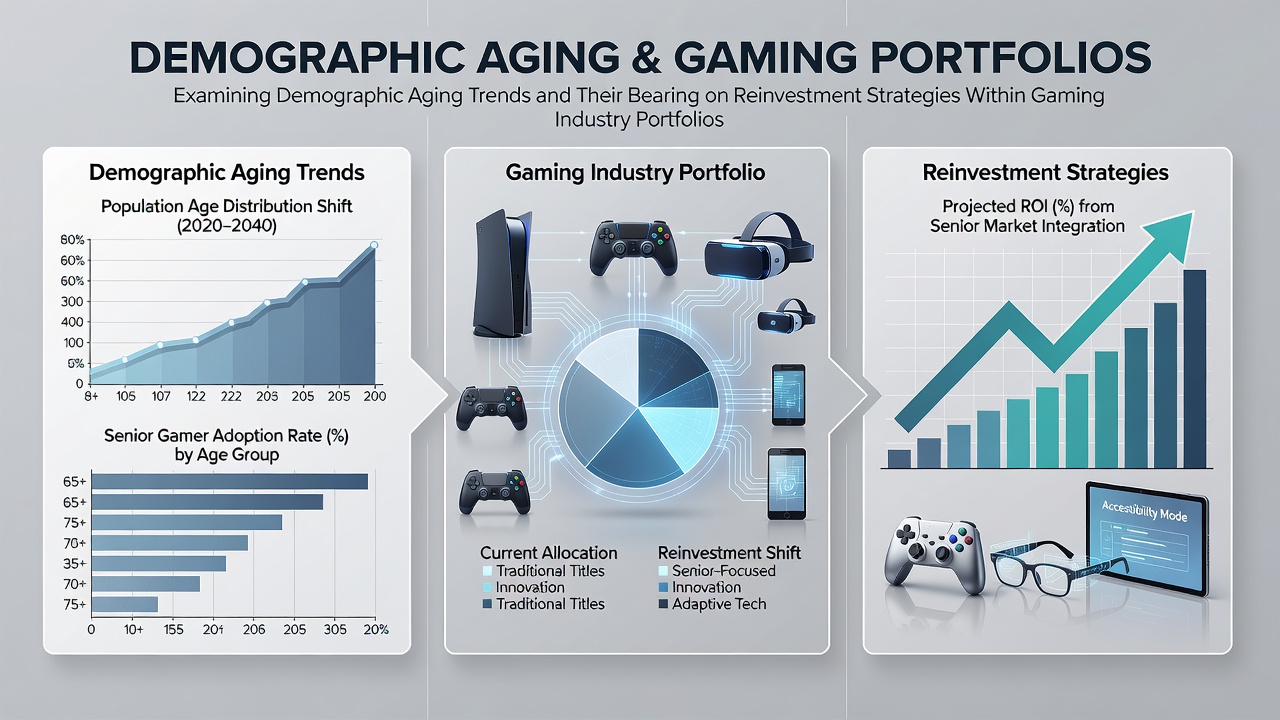
Examining Demographic Aging Trends and Their Bearing on Reinvestment Strategies Within Gaming Industry Portfolios
Data from multiple regions shows populations in traditional gaming markets continue to age, with median ages rising steadily through 2026, and this shift carries direct implications for how gaming companies allocate capital between property upgrades, new market entries, and technology investments. Observers note that operators in the United States, Japan, and parts of Europe face visitor bases where adults over 65 represent a growing share, while younger cohorts in emerging Asian and Latin American jurisdictions present contrasting growth opportunities. Researchers have tracked these patterns through census records and visitor surveys, revealing that reinvestment decisions now often prioritize accessibility features, loyalty structures tailored to fixed-income patrons, and digital platforms that reach time-constrained older users.
Population Data Across Gaming Markets
United States Census Bureau figures indicate the share of residents aged 65 and older reached 18 percent nationally by early 2026, with several states hosting major casino clusters showing even higher concentrations. Similar trends appear in Japan where government statistics place the over-65 population above 29 percent, while selected European markets report comparable ratios according to Eurostat releases. These numbers matter because gaming revenue in mature jurisdictions has historically depended on repeat visits from middle-aged and senior demographics who favor slots and video poker over high-volatility table games. Analysts tracking July 2026 visitor data note that foot traffic at regional properties increasingly skews older during weekday sessions, prompting portfolio managers to reassess capital expenditure timelines rather than assume steady returns from legacy assets.
Emerging markets tell a different story. Countries such as Vietnam and Brazil maintain median ages below 35, and operators expanding into these areas direct funds toward large-scale resort builds that emphasize entertainment districts and convention space. The contrast creates portfolio-level decisions where mature-market cash flows fund growth in younger regions, yet companies must still maintain existing properties to retain their aging core clientele.
Adjustments to Capital Allocation Patterns
Reinvestment ratios have begun to reflect these demographic realities, with operators channeling funds into facility modifications such as wider walkways, improved lighting, and dedicated senior lounges. Data compiled by industry groups shows that properties completing such upgrades between 2024 and 2026 recorded higher weekday occupancy among older guests compared with facilities that deferred improvements. At the same time, several portfolios have increased technology spending on mobile apps and cashless systems, features that appeal across age groups but particularly benefit seniors managing health-related mobility limits. What's interesting is how these expenditures compete with traditional marketing budgets once aimed at high-volume VIP segments now shrinking in certain jurisdictions.
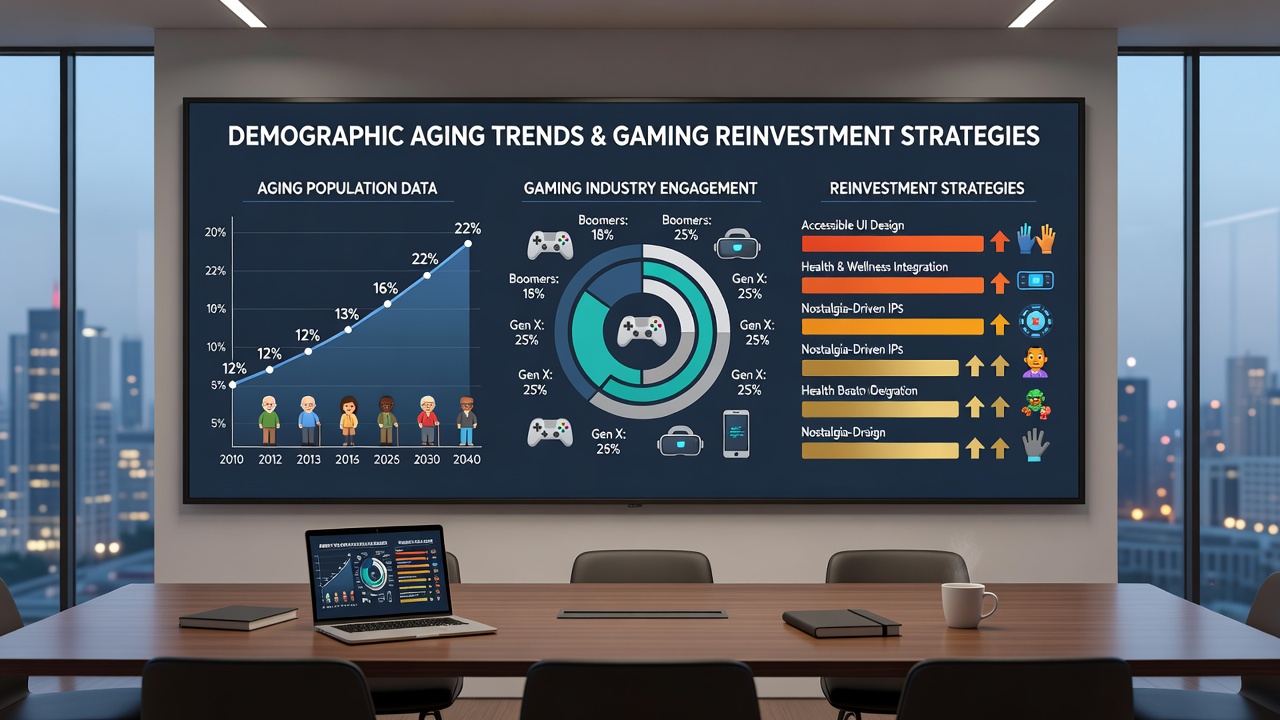
Portfolio managers have also examined opportunities in medical tourism partnerships and wellness amenities, moves documented in regulatory filings from operators with holdings in Nevada and Atlantic City. These initiatives require upfront capital yet aim to extend the visit duration of older patrons who combine gaming trips with healthcare appointments. In contrast, companies with exposure to Southeast Asia have accelerated construction timelines for integrated resorts that target multi-generational travel groups, a strategy supported by population projections from the United Nations Population Division showing continued youth bulges in those corridors through 2035.
Market-Specific Examples and Timing Considerations
One operator with holdings across the American Midwest redirected a portion of 2025 earnings into retrofitting three properties with additional slot banks featuring larger buttons and simplified interfaces, moves completed ahead of the 2026 summer travel season. Another group active in Macau and the Philippines has prioritized digital wallet integrations and online gaming licenses, recognizing that expatriate and local younger players favor remote access over physical visits. These choices illustrate how geographic diversification within a single portfolio allows capital to flow toward segments less affected by aging trends while sustaining mature assets through targeted upgrades.
Regulatory calendars add another layer. Several U.S. states released updated gaming tax structures in the first half of 2026 that include incentives for accessibility investments, effectively lowering the net cost of such reinvestment. Observers tracking these policy shifts note that companies filing expansion plans during July 2026 frequently cited demographic data as justification for the timing of their capital commitments.
Conclusion
Demographic aging trends documented through government statistical agencies continue to shape reinvestment priorities across gaming portfolios, directing funds toward property modifications, technology platforms, and selective expansion in younger markets. Companies balancing these factors adjust allocation timelines based on regional population data rather than uniform dividend or buyback schedules, producing distinct capital deployment patterns that align with the age profiles of each operating jurisdiction. Continued monitoring of census updates and visitor metrics will likely sustain these differentiated strategies through the remainder of the decade.