How Diversification into Niche Entertainment Verticals Alters Payout Timelines for Gaming Operators
Kai Neumann · Aug 15, 2026
How Diversification into Niche Entertainment Verticals Alters Payout Timelines for Gaming Operators
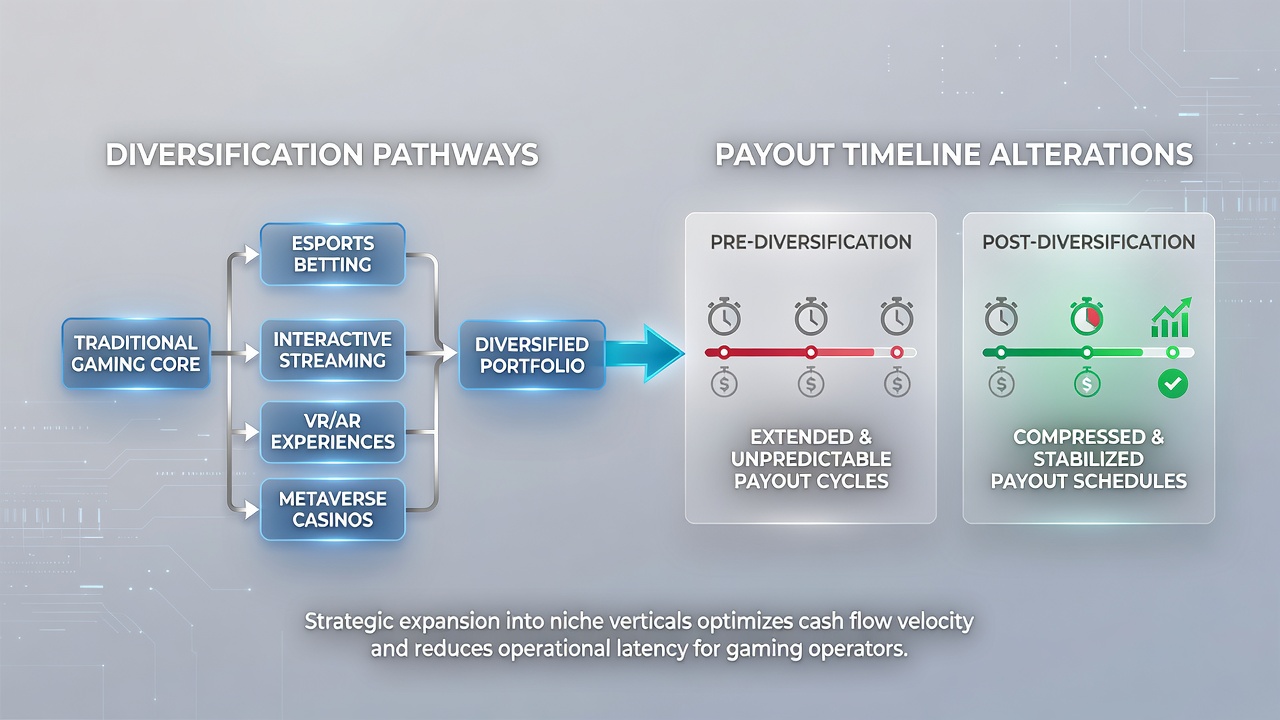
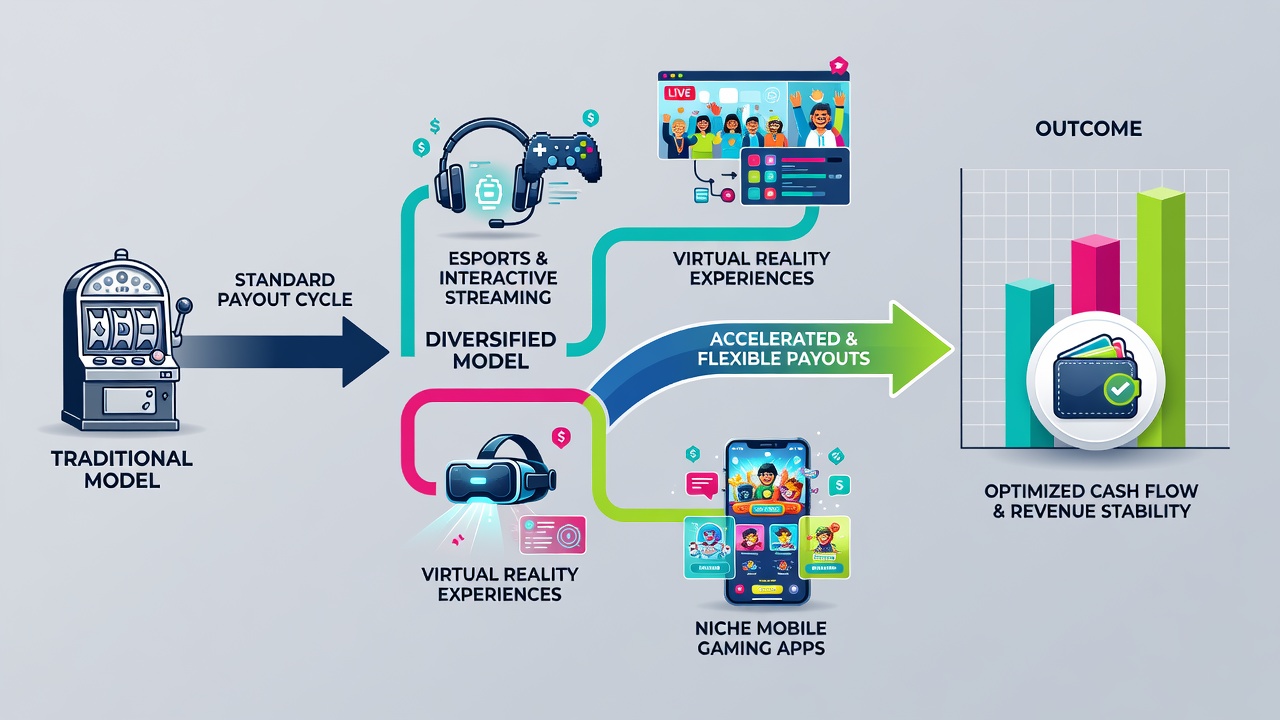
Gaming operators have expanded beyond traditional slot floors and table games into niche entertainment verticals such as esports arenas, immersive theater productions, virtual reality experiences, and specialized music festivals, which shifts the timing of cash returns to shareholders in measurable ways. These moves require upfront capital commitments that extend development cycles, yet they also generate recurring revenue streams that operators can later apply toward dividend schedules or share repurchase programs.
Capital Allocation Patterns in Diversified Portfolios
Operators who enter esports partnerships or branded live-event series often commit funds over multi-year construction and licensing phases, and this stretches the interval between initial investment and the first incremental cash flows available for distribution. Data from regional gaming commissions indicate that facilities incorporating dedicated esports venues report average project timelines of 18 to 30 months before those spaces contribute positive EBITDA, whereas conventional slot expansions reach the same threshold in 9 to 12 months. The longer horizon delays the point at which excess free cash flow becomes available for quarterly dividend increases or special payouts.
Revenue Timing and Cash Flow Dynamics
Once niche verticals reach steady-state operations, they frequently produce steadier monthly attendance figures than seasonal table-game volume, allowing operators to forecast aggregate cash generation with greater precision. Figures released by the Nevada Gaming Control Board show that properties with integrated concert and esports programming maintained occupancy rates above 78 percent during the first half of 2026, compared with 64 percent at properties focused solely on gaming. That consistency supports more predictable quarterly dividend calendars, although the absolute dollar amounts distributed may remain flat until debt service tied to the expansion projects declines.
Regulatory and Tax Considerations Across Jurisdictions
Tax treatment of revenue from non-gaming attractions varies by jurisdiction and directly influences how quickly operators can return capital. In Pennsylvania, for example, live-event ticket sales fall under different amusement-tax schedules than slot revenue, which alters the net cash retained after state remittances. Operators active in multiple states therefore sequence project launches so that tax-efficient jurisdictions contribute earlier cash flows, while higher-tax locations come online later in the payout cycle. Observers tracking filings with the Australian Gambling Research Centre note similar sequencing strategies among operators that added VR arcades to existing resort portfolios between 2024 and 2026.
Market Evidence from August 2026
During August 2026 several large operators announced completion of niche vertical projects that had been underway since 2023, and analysts observed corresponding adjustments in forward dividend guidance within the same quarter. One operator that opened a dedicated motorsport-themed entertainment complex reported a 14 percent rise in trailing twelve-month operating cash flow, yet simultaneously extended its next dividend increase by one quarter to accommodate remaining construction payables. Another firm that partnered with an international esports league adjusted its capital-return calendar to align with league sponsorship payment dates, which occur in two lump sums each year rather than monthly.
Investor Communication and Timeline Adjustments
Companies that diversify into niche verticals routinely update investor presentations with revised payout timelines that incorporate both the ramp-up phase and the eventual stabilization phase. Presentations filed with securities regulators in Canada during 2026 illustrated this shift through scenario tables showing base-case dividend growth delayed by 12 to 18 months when new verticals account for more than 15 percent of total capital expenditure. Those same tables projected accelerated growth once the verticals reached mature utilization rates, illustrating the temporary nature of the timeline extension.
Conclusion
Diversification into niche entertainment verticals lengthens initial payout timelines for gaming operators because of extended capital deployment periods, yet it can stabilize and eventually accelerate cash returns once those verticals achieve consistent revenue contribution. Regulatory tax differences, project sequencing, and sponsorship payment schedules further shape the precise cadence of distributions, as evidenced by filings and operational data through August 2026. Operators continue to refine these timelines as new verticals mature and as market conditions evolve.