How Mobile Payment Adoption Timelines Influence Cash Distribution Cycles Among Regional Gaming Operators
Ulrich Long · Jul 6, 2026
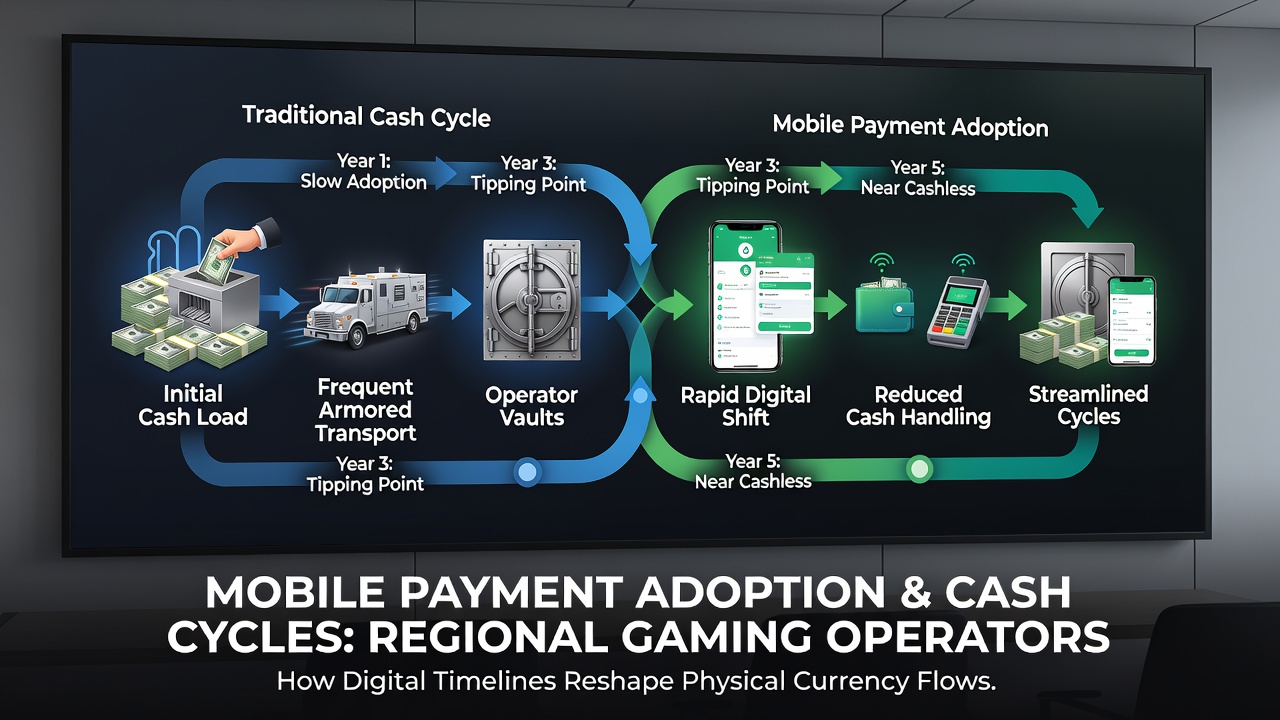
How Mobile Payment Adoption Timelines Influence Cash Distribution Cycles Among Regional Gaming Operators
Regional gaming operators have watched mobile payment systems roll out at different speeds across markets, and those varying timelines have started to reshape how physical cash moves through their properties. Operators in Nevada began integrating contactless options earlier than many peers in the Midwest, which meant their cash vaults and distribution schedules adjusted well before facilities in states like Pennsylvania or Ohio reached similar penetration levels.
Adoption Patterns Across Key Markets
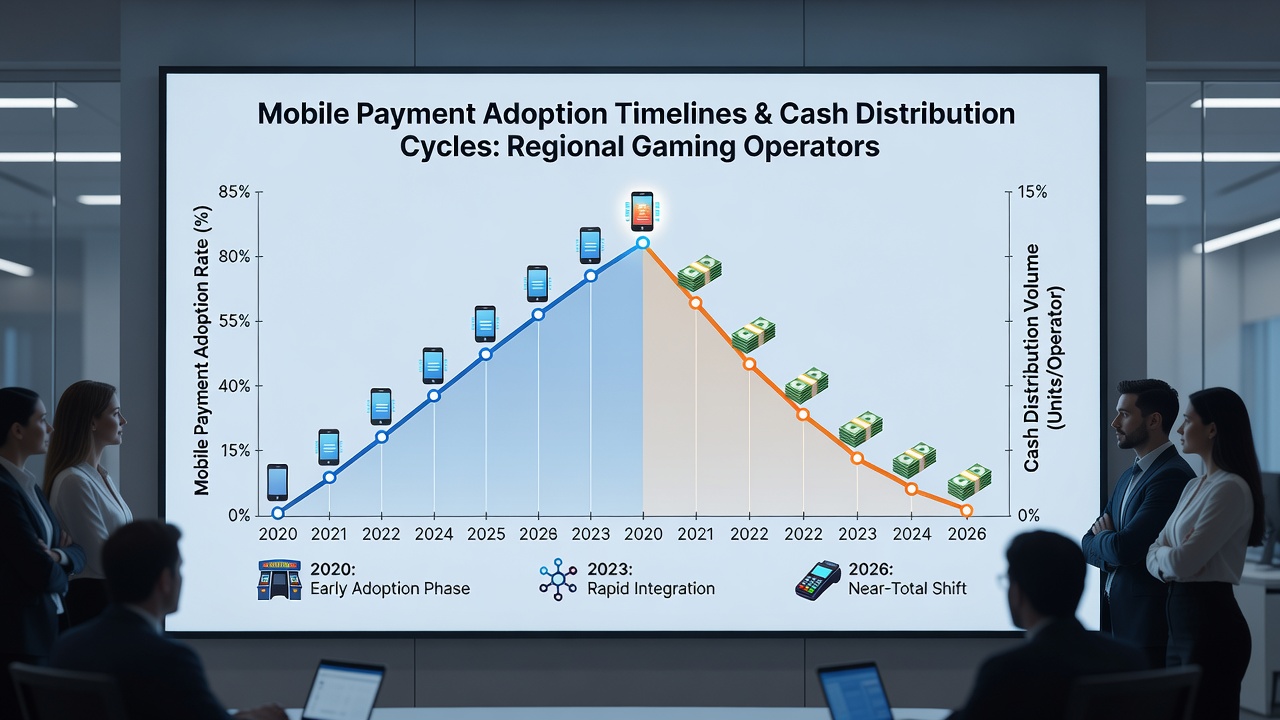
Data from state gaming boards shows that mobile wallet usage in Nevada casinos climbed steadily through 2025 and into July 2026, with several properties reporting that over 35 percent of slot and table game transactions now bypass cash entirely. In contrast, operators in newer markets such as those surrounding the Catawba Two Kings project in North Carolina have moved more cautiously, reaching only about 18 percent adoption by the same period because regulatory approvals and infrastructure upgrades took longer to finalize.
Those differences matter because cash distribution cycles depend on how much physical currency actually enters and leaves the building each day. When mobile payments increase, the volume of bills that need counting, transporting, and replenishing drops, which allows operators to extend the intervals between armored car pickups or reduce the size of daily cash reserves held on site.
Effects on Vault Operations and Liquidity Timing
Regional operators have observed that faster mobile payment adoption compresses the traditional seven-day cash cycle into something closer to four or five days in high-volume locations. This shift occurs because fewer bills accumulate in slot machines and table trays, so cashiers require smaller fills from the main vault during each shift. Observers note that properties with mature mobile systems now schedule vault reconciliations less frequently, freeing staff time for other tasks while lowering exposure to theft or counting errors.
Yet the transition creates new timing pressures elsewhere in the operation. Digital payouts must settle through payment processors on tighter schedules than physical cash drops, which means finance teams coordinate bank transfers more often to match player withdrawals. One study of Midwest operators found that facilities reaching 30 percent mobile penetration adjusted their weekly cash ordering patterns with local banks, cutting average order sizes by nearly a quarter compared with properties still below 15 percent adoption.
Regional Variations in Settlement and Reinvestment
According to figures released by the Nevada Gaming Control Board, properties that accelerated mobile adoption in 2024 and 2025 also reported steadier daily cash positions, which allowed more predictable reinvestment into marketing and maintenance budgets. Operators in markets with slower rollouts continued to manage larger swings in physical cash on hand, especially during peak weekends when table games still relied heavily on currency.
What's interesting is how these patterns interact with existing labor constraints. Facilities already short on cage and count room staff found that quicker mobile uptake reduced overtime needs during busy periods, since fewer bills required processing each morning. In July 2026 several regional groups in the Southwest adjusted their vendor contracts for cash transport services downward after seeing consistent declines in physical volume over the prior twelve months.
Technology Infrastructure and Cycle Compression
Payment terminal upgrades represent another variable that stretches or shortens these timelines. Operators who invested early in EMV-compliant readers and integrated wallet APIs completed their cash cycle adjustments months ahead of competitors still waiting on hardware deliveries. Research from industry groups indicates that full integration typically requires between nine and fourteen months before measurable reductions in cash handling appear in operational reports.
Those who've tracked multiple properties note that the biggest gains in cycle efficiency appear once mobile transactions cross the 25 percent threshold. Below that level, cash distribution schedules remain largely unchanged because enough currency still flows through traditional channels to justify the original pickup frequencies and vault staffing levels.
Conclusion
The relationship between mobile payment adoption speed and cash distribution cycles continues to evolve as more regional operators reach critical usage thresholds. Properties that moved quickly have already shortened their physical cash handling windows and realigned vendor schedules, while slower adopters maintain longer cycles tied to higher currency volumes. As July 2026 data accumulates, clearer benchmarks will emerge showing exactly how many months separate early movers from those still catching up in markets with delayed infrastructure or regulatory hurdles.