How State-Level Slot Tax Adjustments Influence Reinvestment Ratios and Future Equity Distributions Among Regional Operators
Amir Richter · Jun 10, 2026
How State-Level Slot Tax Adjustments Influence Reinvestment Ratios and Future Equity Distributions Among Regional Operators
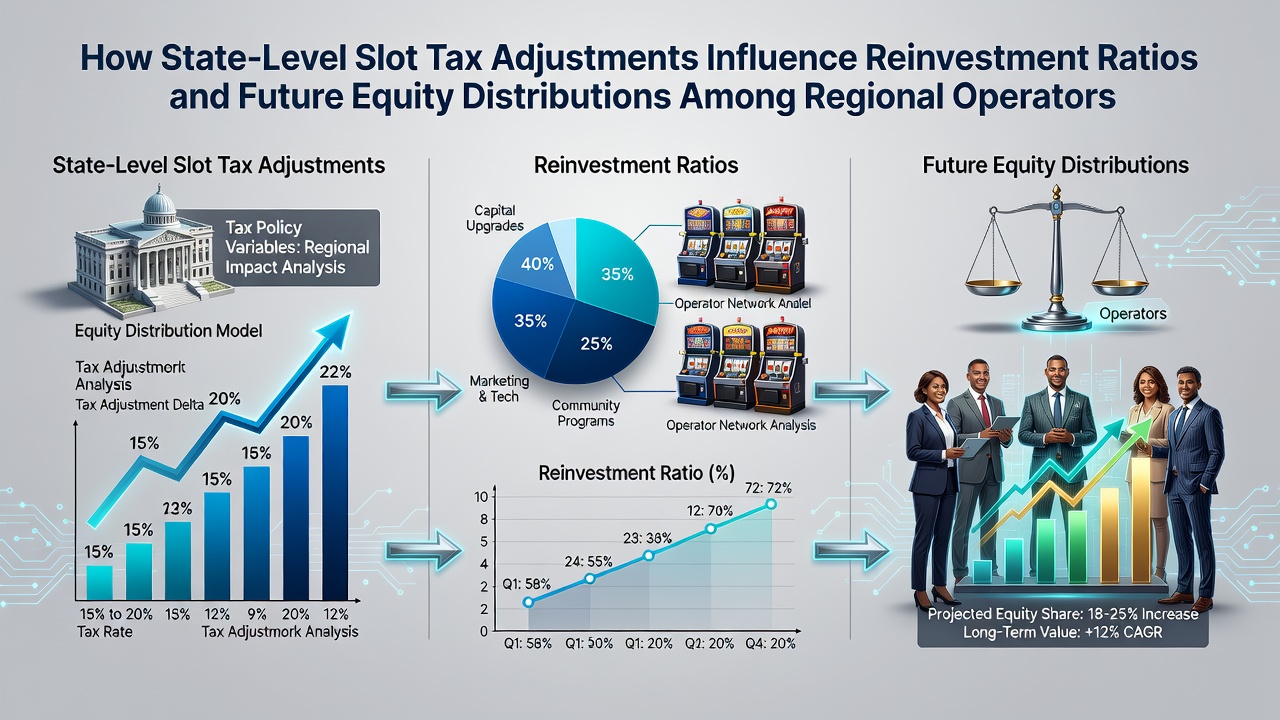
State governments across the United States continue to recalibrate slot machine tax rates as a primary revenue tool, and these adjustments directly alter how regional casino operators allocate capital between property improvements and shareholder returns. Data from multiple jurisdictions shows that even modest rate changes of one to three percentage points prompt measurable shifts in reinvestment ratios, which operators define as the percentage of gross gaming revenue directed toward capital expenditures, marketing initiatives, and facility upgrades rather than immediate distributions.
Mechanics of Slot Tax Adjustments at the State Level
Slot taxes function as a percentage levy on net win from electronic gaming devices, and legislatures in states such as Pennsylvania, Illinois, and New Jersey have enacted incremental modifications multiple times since 2023. When a state raises the rate from 35 percent to 38 percent, for example, operators experience an immediate reduction in after-tax cash flow that forces recalibration of annual budgets. Observers note that these policy moves often coincide with broader fiscal needs, including education funding mandates or infrastructure projects, which creates predictable patterns in how regional operators respond during the following fiscal year.
Reinvestment ratios typically range between 12 percent and 22 percent of gross gaming revenue among mid-sized regional operators, yet this figure contracts when tax burdens rise because fixed operating costs absorb a larger share of the remaining margin. Research from the UNLV Center for Gaming Research indicates that facilities located in higher-tax environments maintain reinvestment ratios approximately 4.7 percentage points lower than comparable properties in lower-tax states over multi-year periods. This compression occurs because operators prioritize maintaining dividend commitments and debt service before committing new capital to expansion projects.
Direct Effects on Reinvestment Ratios
Regional operators facing tax increases respond by extending equipment replacement cycles and reducing the scope of non-essential renovations. In one documented case from 2025, a Midwest casino group lowered its annual reinvestment ratio from 18 percent to 14 percent after its home state implemented a 2.5 percent slot tax surcharge, choosing instead to allocate the freed cash toward maintaining existing equity distribution schedules. Those who've tracked these operators note that marketing budgets also contract first, since these expenditures deliver variable rather than fixed returns compared with physical plant investments.
Conversely, states that lower slot taxes create opposite incentives. When New York reduced certain regional rates in late 2024, operators in those markets increased reinvestment ratios by an average of 3.1 percentage points within eighteen months, according to filings submitted to the New York State Gaming Commission. The additional capital flowed primarily into slot floor modernization and loyalty program enhancements, both of which support longer-term revenue stability rather than immediate cash returns to equity holders.
Influence on Future Equity Distributions
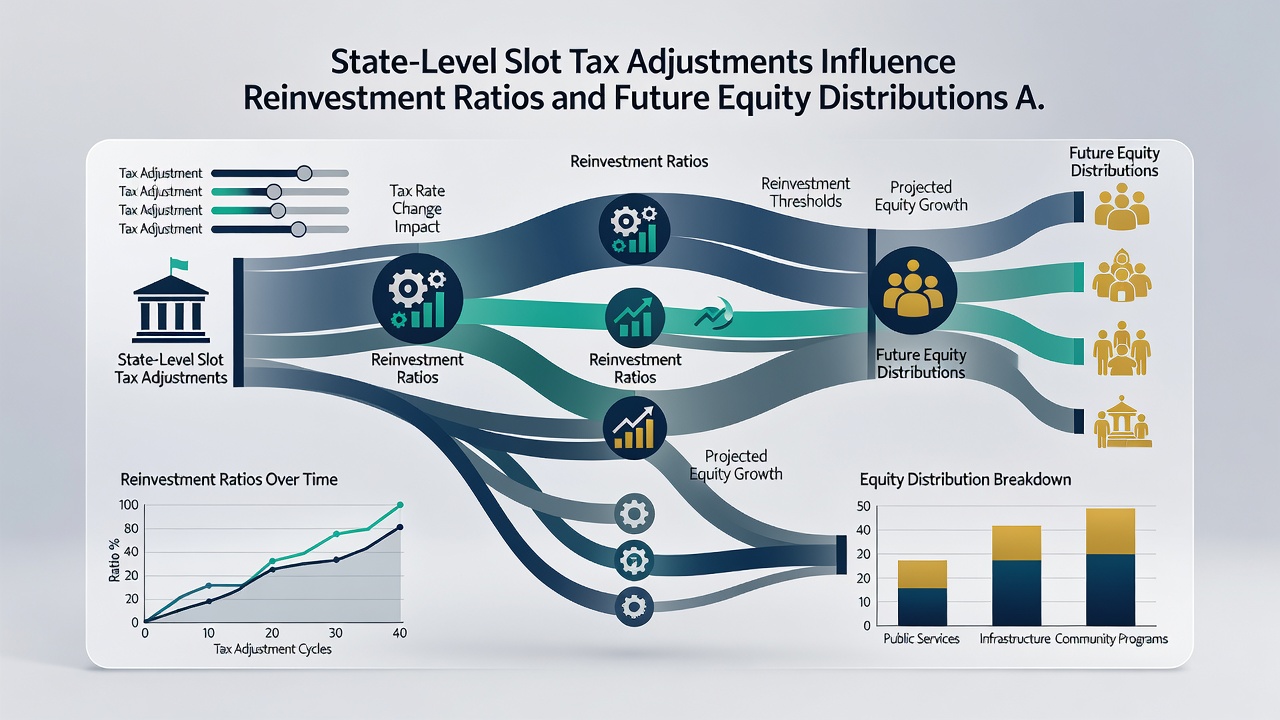
Equity distributions, including dividends and share repurchases, depend on free cash flow after taxes and reinvestment commitments. When slot tax rates climb, the reduced margin squeezes the pool available for these distributions unless operators simultaneously cut reinvestment. Data compiled through June 2026 shows that regional operators in states with recent tax hikes have maintained dividend payouts at prior levels for an average of four quarters before announcing reductions or shifts toward stock buybacks, which offer more flexibility. This pattern emerges because management teams seek to avoid signaling instability to investors even as underlying cash generation declines.
Analysts following these companies observe that operators with diversified portfolios across multiple states can offset higher-tax locations by directing incremental capital toward lower-tax jurisdictions. One operator with properties in both Illinois and Indiana increased equity distributions by 6 percent in the first half of 2026 while simultaneously lowering reinvestment ratios at its Illinois sites, relying on stronger after-tax margins from its Indiana operations to balance the overall capital allocation.
Regional Variations and Operator Responses
Differences in tax structures create distinct competitive landscapes. Pennsylvania's tiered slot tax system, which applies higher rates to larger facilities, has prompted several regional operators to consolidate marketing spend across properties rather than pursue standalone expansions. Reports from the Pennsylvania Gaming Control Board detail how facilities above certain revenue thresholds have reduced planned capital expenditures by 11 percent on average since the most recent rate adjustment took effect. In contrast, operators in states without tiered structures tend to maintain steadier reinvestment patterns because tax liabilities scale more linearly with revenue.
Longer-term equity distribution forecasts incorporate assumptions about future tax policy stability. When state legislatures signal additional adjustments, operators build larger cash reserves and reduce leverage, which in turn limits the pace of future dividend growth. Those monitoring 2026 filings note that several regional gaming companies have already revised their five-year distribution projections downward by 8 to 12 percent in markets where lawmakers have proposed further slot tax increases.
Conclusion
State-level slot tax adjustments reshape the capital allocation decisions of regional operators by altering after-tax cash flows and prompting recalibrations of reinvestment ratios. These shifts subsequently influence the timing and magnitude of equity distributions, with operators in higher-tax environments often extending equipment cycles and moderating dividend growth to preserve financial flexibility. Data through mid-2026 demonstrates consistent patterns across jurisdictions, underscoring how tax policy serves as a primary driver of long-term capital strategy within the regional gaming sector.