Linking Sportsbook Performance Metrics to Adjusted Shareholder Yield Projections in Hybrid Gaming Enterprises
Carlo Schmidt · Jul 18, 2026
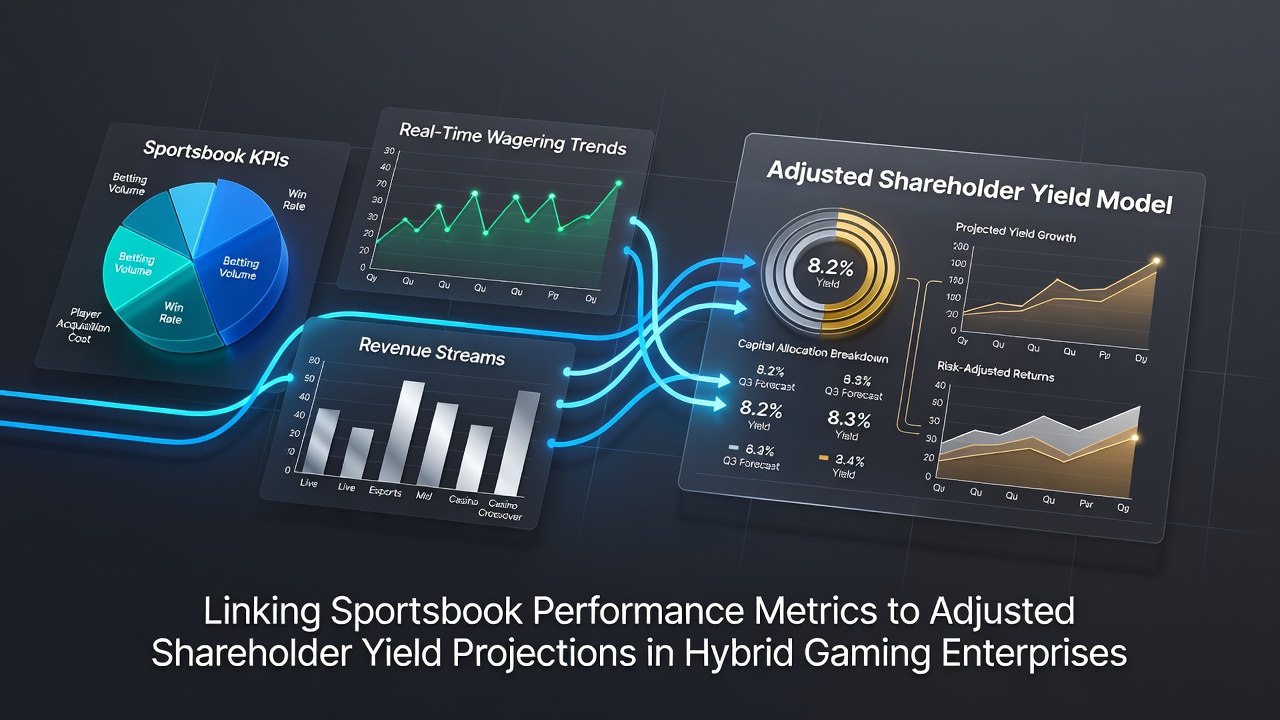
Linking Sportsbook Performance Metrics to Adjusted Shareholder Yield Projections in Hybrid Gaming Enterprises
Hybrid gaming enterprises combine traditional casino operations with online sportsbooks and digital betting platforms, creating revenue streams that require careful integration when projecting shareholder yields. Operators track sportsbook metrics such as handle volume, hold percentage, and average revenue per user to refine payout forecasts, while adjusting for variables like customer acquisition costs and regulatory compliance expenses that affect net distributions to equity holders.
Core Sportsbook Metrics in Hybrid Models
Handle volume represents total wagers placed through sportsbook channels, and this figure directly influences cash flow available for shareholder returns once operators deduct operational overhead. Hold percentage measures the proportion of handle retained after payouts, with data from July 2026 showing many North American hybrid operators maintaining rates between 4.8 and 6.2 percent across major markets. Average revenue per user rises when platforms convert casual bettors into recurring participants, yet this metric requires adjustment for bonus expenses that dilute short-term yields before stabilizing over multi-quarter cycles.
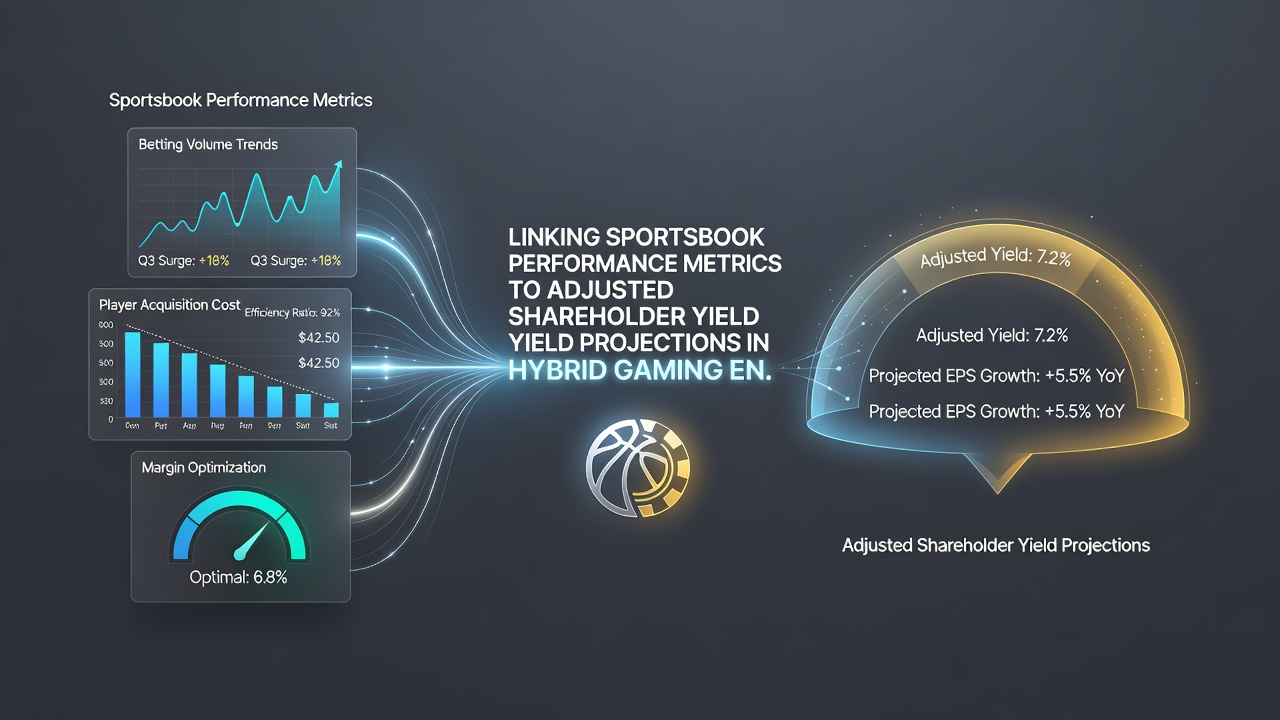
Player acquisition costs have climbed steadily since 2024, with hybrid firms reporting averages exceeding $180 per new depositor in competitive jurisdictions. These expenditures reduce immediate capital available for dividends or buybacks, prompting analysts to apply discount factors when modeling adjusted shareholder yield projections that account for long-term retention rates exceeding 35 percent among acquired users.
Adjusting Yield Projections for Metric Integration
Shareholder yield calculations traditionally focus on dividend payouts and share repurchases relative to market capitalization, but hybrid enterprises layer sportsbook performance onto these formulas to produce adjusted projections. Analysts apply regression models that correlate handle growth with subsequent cash distributions, incorporating seasonality adjustments for events like major sporting tournaments that spike volumes in specific quarters. Evidence from industry reports indicates that a 10 percent increase in hold percentage can lift projected annual yields by 1.2 to 1.8 percentage points once acquisition costs amortize over 18 months.
Yet market volatility introduces further variables, since sports betting margins fluctuate with outcomes and promotional activity. Operators in July 2026 adjusted models to include stress tests for handle contractions during off-peak periods, ensuring yield forecasts remain conservative when sportsbook contributions represent more than 40 percent of total enterprise revenue.
Regional Data Sources and Regulatory Influences
According to figures released by the Nevada Gaming Control Board, sportsbook handle in the state reached $1.9 billion in the first half of 2026, contributing measurable uplift to parent company cash reserves earmarked for equity returns. Similar patterns appear in New Jersey, where the Division of Gaming Enforcement documented online sports betting revenue supporting expanded capital return programs among hybrid operators. These datasets allow modelers to calibrate projections by weighting regional hold rates against broader enterprise payout ratios.
Industry organizations such as the American Gaming Association compile cross-market statistics that highlight correlations between digital betting metrics and dividend sustainability. Research from academic centers including the University of Nevada's gaming studies program further refines these linkages by examining how acquisition cost recovery timelines affect multi-year yield estimates in consolidated resort portfolios.
Practical Applications in Capital Allocation
Hybrid enterprises apply these integrated models when deciding between reinvestment in platform technology and direct shareholder distributions. Firms that maintain handle growth above 15 percent year-over-year often allocate portions of incremental cash flow to accelerated buybacks, while those experiencing margin compression extend payout timelines to preserve liquidity buffers. Observers note that successful operators publish quarterly metric dashboards alongside yield guidance, enabling investors to track adjustments in real time.
Geographic expansion into new regulated markets adds another layer, as entry costs temporarily suppress yields until local handle volumes reach breakeven thresholds. Data from Canadian provincial regulators shows several hybrid groups achieving positive adjusted yield contributions from sportsbook segments within 24 months of launch, provided acquisition spending stays below 22 percent of gross revenue during the ramp-up phase.
Conclusion
Linking sportsbook performance metrics to adjusted shareholder yield projections enables hybrid gaming enterprises to produce more accurate forecasts that reflect both digital betting dynamics and traditional resort economics. Regional regulatory data combined with industry and academic research supports the construction of models that account for handle, hold rates, acquisition costs, and retention patterns. Operators who integrate these elements into capital allocation decisions maintain clearer visibility into future distributions while navigating the evolving landscape of July 2026 and beyond.