Observing Patterns in Capital Allocation Strategies During Industry Consolidation Phases Among Gambling Enterprises
Carlo Schmidt · Jun 20, 2026
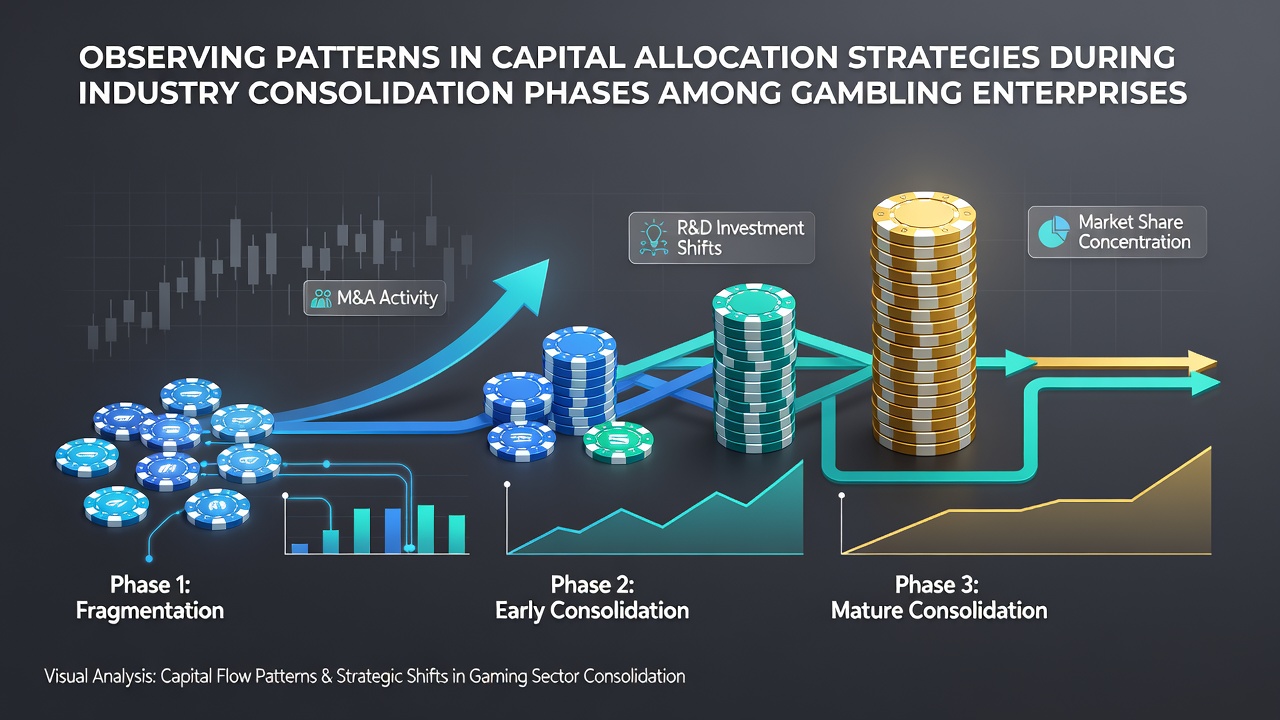
Observing Patterns in Capital Allocation Strategies During Industry Consolidation Phases Among Gambling Enterprises
Industry consolidation among gambling enterprises has accelerated in recent years, and observers note distinct patterns emerging in how operators redirect capital when market structures tighten through mergers and acquisitions. Data released in June 2026 from multiple gaming jurisdictions indicates that firms undergoing consolidation phases tend to prioritize debt reduction and selective asset optimization over broad expansion projects, while those who have studied this know such moves often follow predictable sequences tied to regulatory approvals and integration timelines.
Shifts in Reinvestment Versus Shareholder Returns
During consolidation periods, gambling enterprises frequently adjust their capital allocation frameworks to balance integration costs with ongoing operational needs, and researchers discovered that this adjustment typically begins with a temporary slowdown in new property developments followed by targeted reinvestments in technology upgrades at existing sites. Those who've examined financial filings across North American and Asian operators find that dividend payout ratios often stabilize or increase modestly once merger synergies start materializing, although initial phases see higher retention of earnings to cover restructuring expenses. Experts have observed that this pattern appears across both regional casino groups and larger integrated resort operators, where cash flows from mature properties fund the transition rather than external financing in most documented cases.
Geographic Variations in Allocation Approaches
Allocation strategies vary by region because regulatory environments shape available options during consolidation, and data shows operators in mature markets like those overseen by the Nevada Gaming Control Board tend to emphasize share repurchases once transaction costs peak, whereas entities in emerging Southeast Asian jurisdictions redirect capital toward compliance infrastructure and localized partnerships. According to a 2025 industry report from the Canadian Gaming Association, firms in provinces experiencing market concentration allocated roughly 35 percent more capital to loyalty program enhancements and digital platform integrations compared to pre-consolidation baselines, and this reallocation supported revenue stability amid reduced physical expansion. Observers note that such differences reflect local tax structures and licensing requirements rather than uniform global practices.
Role of Debt Management and Asset Divestitures
Consolidation phases often coincide with strategic debt paydowns and selective divestitures, and figures from gaming equity analyses reveal that enterprises completing major acquisitions in 2025 and early 2026 reduced leverage ratios by an average of 1.2 times within twelve months post-deal. People who've tracked balance sheet movements across public operators find that proceeds from non-core asset sales frequently flow into core market strengthening, including slot machine refreshes and hospitality upgrades that maintain competitive positioning without requiring full-scale new builds. This approach allows consolidated entities to preserve liquidity while meeting shareholder expectations through consistent, though not necessarily elevated, return programs.

Integration of Technology and Partnership Investments
Technology partnerships and esports-related investments have surfaced as recurring allocation categories during recent consolidation waves, and studies from university-affiliated gaming research centers indicate these commitments typically represent between 8 and 12 percent of total capital deployed in the two years following a merger announcement. Operators direct funds toward platforms that extend reach beyond physical venues, and those patterns hold whether the consolidation occurs through outright purchases or joint ventures. What's interesting here is how such investments often replace traditional marketing budgets, creating efficiencies that support longer-term distribution stability even as overall capital expenditure totals decline.
Timing Considerations in Capital Deployment
Timing of capital commitments shifts noticeably once consolidation enters regulatory review stages, and analysts reviewing quarterly reports find that discretionary projects receive approval only after key milestones such as antitrust clearances or gaming license transfers occur. Enterprises in this environment delay large-scale reinvestments until synergies become quantifiable, and this measured pace helps avoid overextension during periods when cash generation faces temporary pressure from transitional costs. Evidence from multiple jurisdictions suggests the interval between deal announcement and normalized allocation patterns averages 18 to 24 months, during which retained earnings serve as the primary funding source.
Conclusion
Patterns in capital allocation during industry consolidation among gambling enterprises consistently emphasize debt optimization, selective technology investments, and stabilized shareholder returns once integration advances, and these approaches reflect responses to regulatory, regional, and operational variables rather than singular strategies. Data collected through mid-2026 continues to illustrate how operators navigate these phases by aligning expenditures with realized efficiencies, and continued observation of filings from public entities will clarify whether these established sequences persist as markets evolve further.