Regional Economic Indicators as Predictors of Dividend Adjustments in Gaming Stocks
Ulrich Long · Aug 26, 2026
Regional Economic Indicators as Predictors of Dividend Adjustments in Gaming Stocks
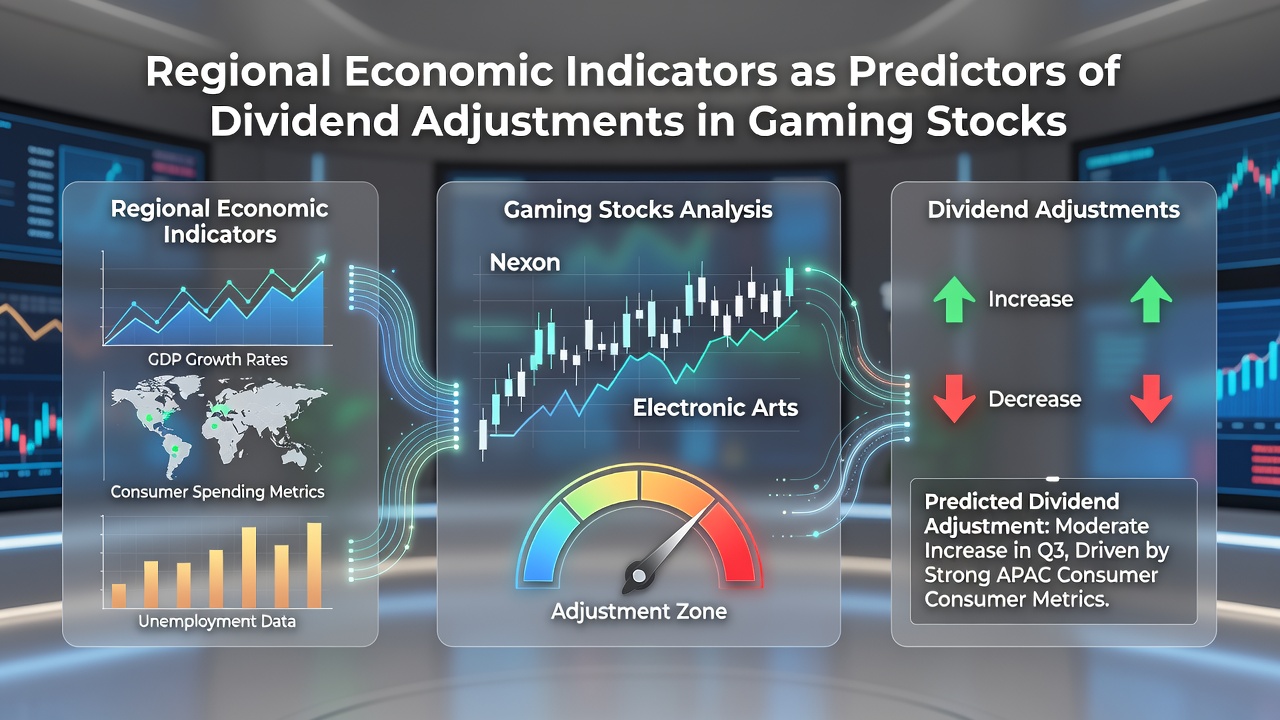
Regional economic indicators provide measurable signals that analysts track when evaluating potential shifts in dividend policies among gaming companies, and these metrics often reflect localized conditions such as employment levels, visitor arrivals, and retail spending patterns that directly influence operator cash flows. Data compiled across multiple jurisdictions demonstrates consistent relationships between these variables and subsequent adjustments in shareholder distributions, particularly in markets where tourism and leisure spending account for substantial portions of regional output.
Key Indicators and Their Measurement
Analysts monitor unemployment rates released by state and provincial labor departments because rising joblessness in casino host regions tends to reduce discretionary spending on gaming activities within months of the initial data release, and researchers have documented cases where sustained increases above 5 percent preceded dividend reductions at properties dependent on local patronage. Gross domestic product figures from metropolitan statistical areas offer another layer of insight since growth rates above national averages frequently coincide with expanded capital returns when those gains stem from increased convention traffic or hotel occupancy.
Visitor arrival statistics published by tourism boards serve as leading indicators in integrated resort markets, and figures from sources like the Bureau of Economic Analysis show how quarterly changes in international arrivals correlate with revenue volatility that later affects payout ratios. Consumer confidence indices at the regional level add further predictive value because they capture sentiment shifts before those changes appear in monthly slot or table game handle reports.
Observed Correlations Across Markets
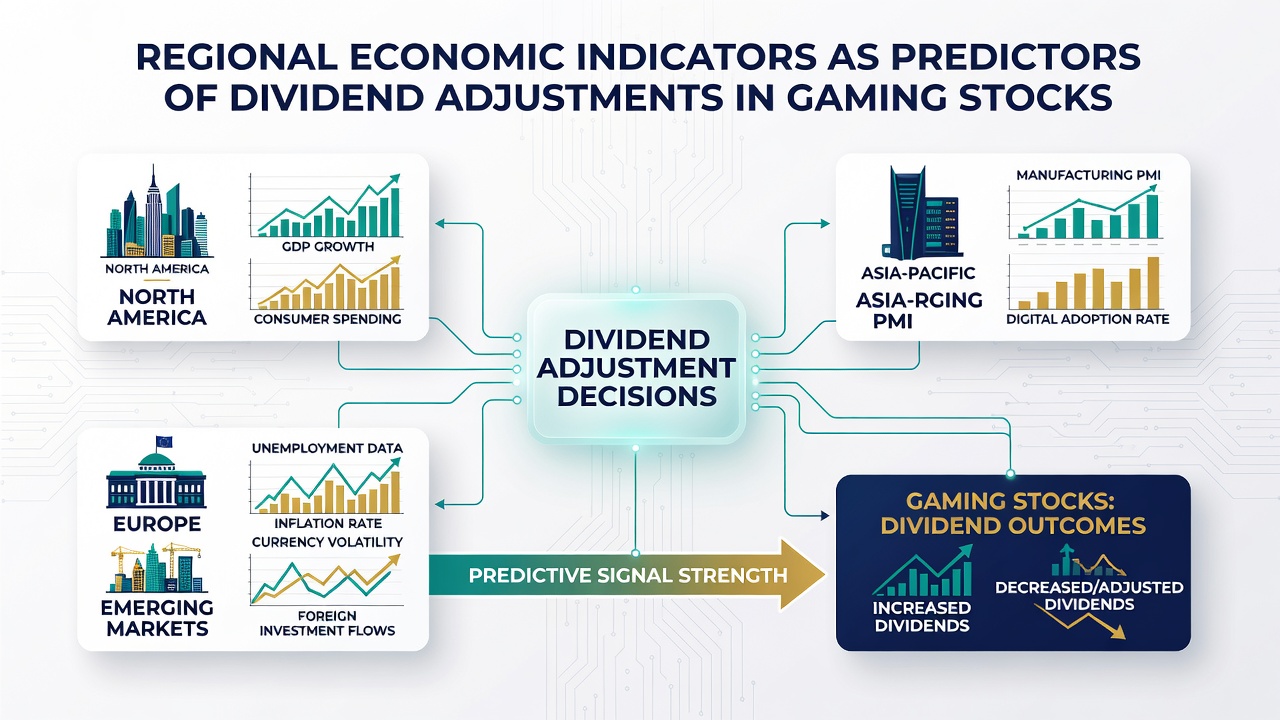
Studies of gaming equities operating in the American Southwest reveal that a 1 percent rise in regional unemployment during the first half of 2026 aligned with subsequent dividend holds or modest cuts announced by midsized operators in the third quarter, while areas posting employment gains above 2 percent saw several companies restore or increase quarterly payouts. Similar patterns appear in data from Canadian provinces where gaming facilities rely on cross-border traffic, and observers note that currency fluctuations combined with local labor market tightness often produce dividend revisions within two reporting cycles.
Asian markets present parallel dynamics, and metrics such as hotel room night demand in Macau and Singapore have historically preceded adjustments by major operators when those indicators decline for consecutive quarters. Researchers tracking these relationships emphasize that the lag between indicator movement and dividend action typically spans 90 to 180 days, allowing time for operators to assess whether the shift represents a temporary fluctuation or a sustained trend.
Predictive Applications and Data Integration
Portfolio managers incorporate these regional datasets into models that forecast free cash flow availability, and the resulting projections help anticipate when boards might approve changes to distribution policies. In August 2026, several firms released earnings that referenced softening visitor metrics from earlier in the year as justification for maintaining rather than raising dividends, illustrating how publicly available economic releases inform those decisions in real time. Multi-factor regressions that combine unemployment, retail sales, and airport passenger counts have demonstrated improved accuracy over single-variable approaches when applied to historical payout records.
Geographic diversification among gaming companies creates additional complexity because operators with properties across several regions experience offsetting effects, and analysts therefore weight indicators according to each market's contribution to overall revenue. Those who have examined dividend histories find that companies with concentrated exposure to one economic zone tend to exhibit more pronounced responses to local indicator movements than their diversified peers.
Conclusion
Regional economic indicators continue to function as practical tools for anticipating dividend adjustments in gaming stocks, and the relationships documented across multiple jurisdictions supply objective frameworks for interpreting how localized conditions translate into capital allocation choices. Ongoing data releases from government agencies and industry trackers allow market participants to monitor these signals on a rolling basis as conditions evolve through 2026 and beyond.