Tracing Connections Between Esports Partnerships and Revised Equity Payout Frameworks in Established Casino Groups
Quinn Washington · Jun 15, 2026

Tracing Connections Between Esports Partnerships and Revised Equity Payout Frameworks in Established Casino Groups
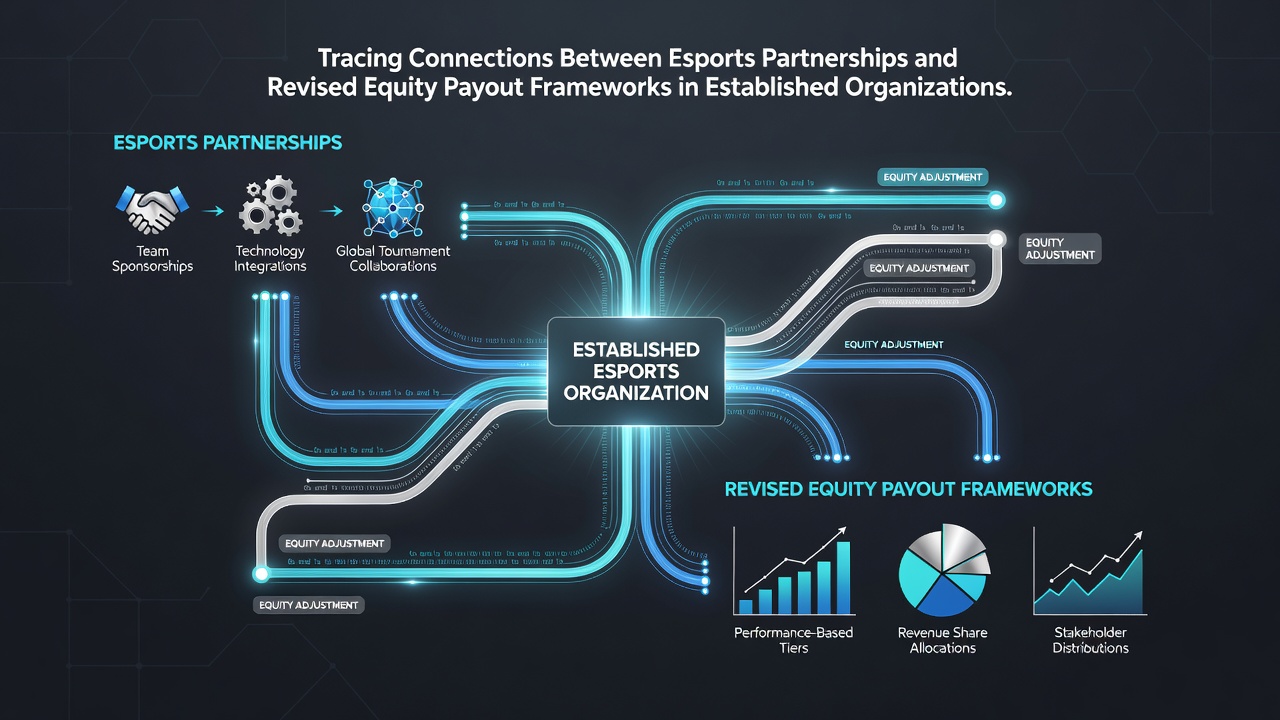
Established casino groups have expanded into esports through sponsorship deals and co-branded events over the past several years, and these moves have coincided with adjustments to equity payout structures that tie shareholder distributions more closely to diversified revenue streams from digital entertainment verticals. Data from industry filings shows that major operators began integrating esports activations into their marketing budgets around 2022, after which several groups reported shifts in capital allocation policies that link performance bonuses and dividend schedules to metrics from both traditional gaming floors and online competitive gaming partnerships.
Partnership Models Emerging in Major Markets
Operators in North America and Asia have pursued different partnership structures with esports teams and leagues, while observers note that these arrangements often include revenue-sharing clauses that feed directly into revised frameworks for equity returns. In one documented case, a large integrated resort group entered a multi-year agreement with a North American esports franchise that covers venue hosting and branded content, and the contract terms include performance-based payments that analysts have connected to subsequent modifications in the group's share repurchase timelines. Figures released in regulatory disclosures indicate that such deals contributed measurable portions of non-gaming revenue by mid-2025, prompting boards to recalibrate payout ratios that previously relied more heavily on slot and table game performance alone.
Revenue Diversification and Framework Adjustments
Equity payout frameworks at established groups typically encompass dividend policies, share buybacks, and special distributions, yet partnerships with esports entities have introduced new variables into these calculations because they generate recurring sponsorship income and event-driven spikes that differ from seasonal gaming patterns. Researchers at academic centers tracking leisure sector finance have documented how several operators revised their capital return guidelines in 2025 to incorporate esports-related cash flows as a stabilizing factor, which in turn allowed for more consistent quarterly distributions even when traditional floor revenues experienced volatility. One study covering operators across multiple jurisdictions found that groups with active esports ties maintained higher average payout ratios during the first half of 2026 compared with peers lacking similar digital partnerships.
Regional Regulatory Influences on Payout Structures
Regulatory bodies in different regions have shaped how casino groups account for esports income within their broader financial reporting, and these requirements have fed into the redesign of equity frameworks. The Nevada Gaming Control Board, for instance, updated guidance on ancillary revenue streams in late 2025, which clarified how sponsorship payments from competitive gaming events should be categorized for distribution planning purposes. In parallel, reports from the Australian Communications and Media Authority highlight similar considerations for operators licensed in that market, where esports partnerships must be disclosed separately when calculating available funds for shareholder returns. These layered compliance steps have encouraged groups to build dedicated tracking mechanisms that connect esports performance indicators directly to scheduled equity releases.
June 2026 Developments and Market Data
During June 2026 several operators published updated investor presentations that explicitly mapped esports partnership milestones to projected changes in equity payout schedules, and the presentations included scenario modeling showing how increased event attendance could accelerate share repurchase programs. Industry associations tracking global gaming trends released aggregated figures that same month indicating a 12 percent rise in sponsorship revenue from esports collaborations across the sector year-over-year, with the increase most pronounced among groups that had already adjusted their distribution frameworks to weight non-traditional streams more heavily. Observers note that these updates arrived alongside broader market discussions about capital discipline, where the integration of esports income provided operators with additional levers for maintaining or increasing returns without relying solely on core gaming operations.
Case Examples from Established Groups
Multiple established groups have illustrated the connection through successive announcements: one operator revised its dividend policy document in early 2026 to include esports event metrics as a secondary trigger for supplemental distributions, while another linked a portion of its annual buyback authorization to revenue targets from co-branded competitive gaming tournaments. Trade publications covering leisure equities reported that these policy shifts followed board-level reviews of partnership performance data collected over the preceding 18 months, and the reviews concluded that esports streams offered more predictable cash flow timing than certain VIP gaming segments. Those reviews also referenced academic papers on digital entertainment economics that examined how sponsorship models reduce revenue concentration risk, thereby supporting steadier equity return commitments.
Looking Ahead at Integration Trends
Continued expansion of esports within casino portfolios appears likely to influence future iterations of equity payout frameworks, as operators refine the formulas that determine distribution frequency and magnitude based on blended revenue sources. Industry reports scheduled for release later in 2026 are expected to provide further longitudinal data on whether these connections produce measurable differences in total shareholder yield compared with groups that have maintained narrower partnership portfolios. Regulatory filings from various jurisdictions will continue to serve as primary sources for tracking how esports income is formally incorporated into capital return planning across the sector.
Conclusion
The documented links between esports partnerships and revised equity payout frameworks reflect a broader evolution in how established casino groups manage diversified income streams and shareholder returns. Data from regulatory disclosures and industry analyses through June 2026 demonstrate that operators have begun embedding performance indicators from competitive gaming collaborations into the mechanics that govern dividends and buybacks, creating more interconnected financial models than existed prior to these partnerships. As additional case studies emerge, the patterns observed so far suggest that such integrations will remain a focal point for financial planning within the sector.