Tracing How Artificial Intelligence Implementation in Player Tracking Systems Affects Capital Return Decisions Across Gaming Portfolios
Carlo Schmidt · Aug 1, 2026
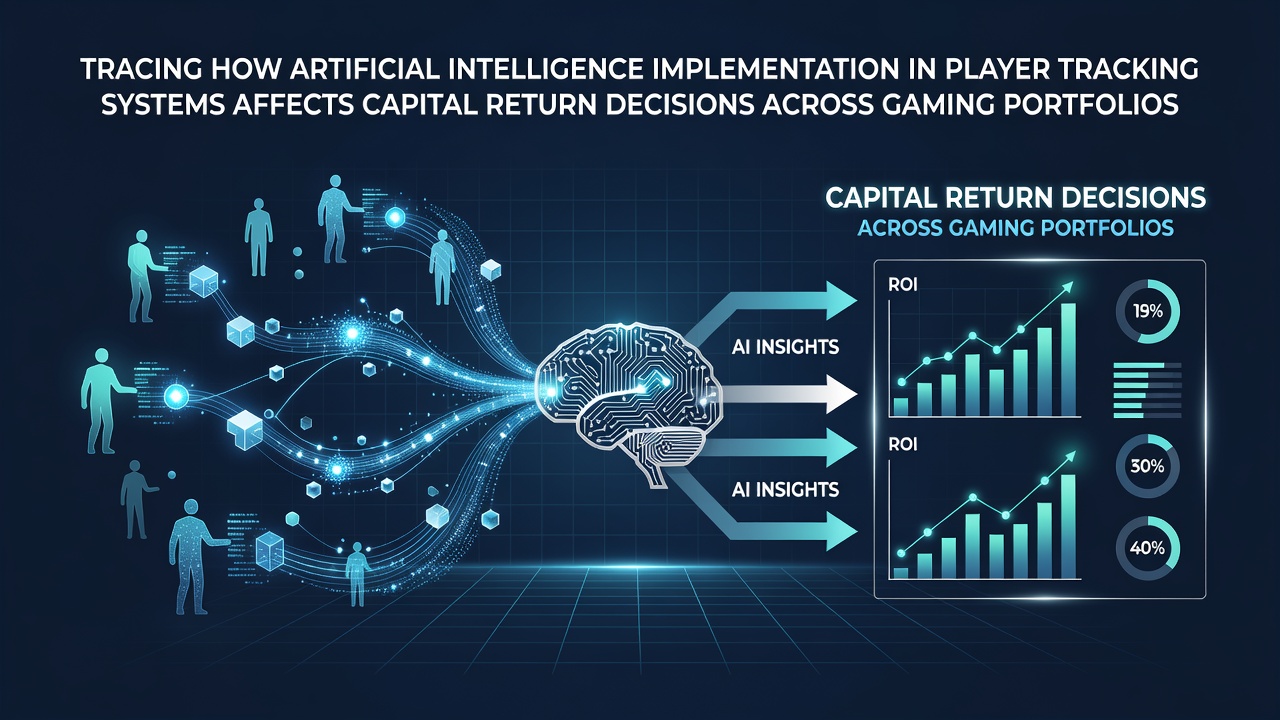
Tracing How Artificial Intelligence Implementation in Player Tracking Systems Affects Capital Return Decisions Across Gaming Portfolios
Artificial intelligence has entered player tracking systems across major gaming portfolios, where operators collect detailed behavioral data from slot machines, table games, and digital platforms. These systems process vast amounts of information on wagering patterns, session durations, and loyalty program interactions, which in turn feed into models that forecast revenue streams and guide decisions on dividend distributions versus reinvestment. Data from integrated resorts shows that AI-enhanced tracking allows operators to segment high-value players more precisely than traditional methods, shifting how capital allocation committees evaluate quarterly returns.
Mechanics of AI Integration in Existing Tracking Infrastructure
Modern player tracking platforms combine RFID tags, facial recognition at entry points, and real-time betting interfaces with machine learning algorithms that identify spending velocity and churn risk. When these tools detect patterns such as declining visit frequency among mid-tier patrons, they trigger targeted promotions that operators measure against projected lift in gross gaming revenue. In August 2026 several regional operators reported that AI models adjusted marketing spend within hours rather than weeks, producing measurable changes in the timing of available free cash flow for shareholder distributions.
Portfolio managers at multi-property groups now receive dashboards that translate player lifetime value predictions into capital return scenarios. One model might project a 12 percent increase in hold percentage from a specific demographic after an AI-recommended bonus structure, while another scenario simulates the impact on quarterly dividend coverage ratios if that same capital is instead directed toward property upgrades. Observers note that these simulations incorporate historical data from multiple jurisdictions, allowing decision-makers to compare outcomes across different regulatory environments.
Revenue Forecasting and Its Direct Link to Distribution Policies
Accurate forecasting changes how gaming companies set payout ratios. When AI systems improve the precision of expected future revenue by even a few percentage points, finance teams gain greater confidence in committing to higher dividend yields or accelerated share repurchase programs. Research from the University of Nevada, Las Vegas gaming analytics program indicates that properties using advanced player tracking AI experienced lower variance in quarterly revenue estimates compared with peers relying on legacy segmentation. This reduced variance translates into steadier capital return schedules rather than the stop-and-start patterns observed during earlier industry cycles.
Operators have also begun linking AI-derived player value scores to debt covenant calculations. Lenders increasingly review these scores when assessing coverage ratios, which indirectly influences the amount of cash gaming groups can return to equity holders without triggering restrictions. In one documented case a mid-sized operator adjusted its annual distribution target upward after AI tracking demonstrated sustained growth in a previously under-monetized player segment, thereby freeing reserves previously held for volatility buffers.
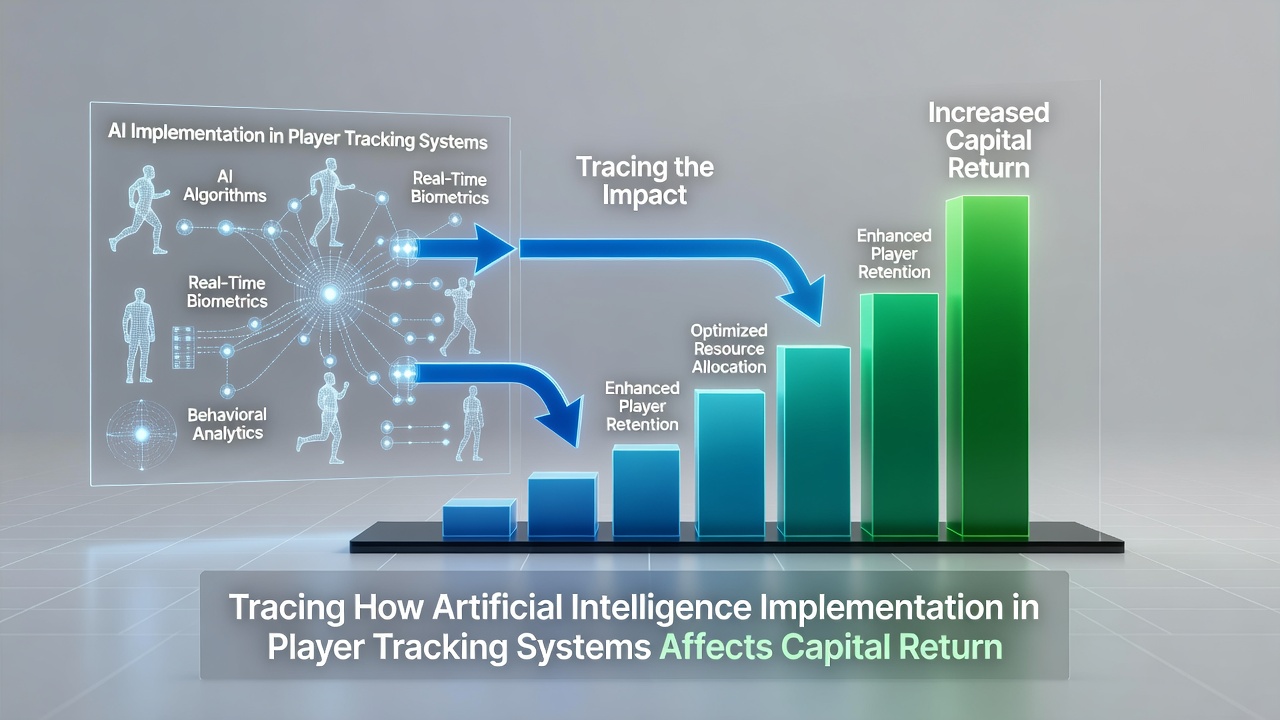
Portfolio-Level Capital Allocation Adjustments
At the holding-company level, AI outputs from individual properties feed into broader portfolio optimization exercises. Executives compare projected returns from dividend increases at mature assets against reinvestment opportunities at growth-stage locations. The models weigh factors such as player migration between properties, cross-market promotional cannibalization, and seasonal demand shifts that traditional spreadsheets often overlooked. Because the algorithms continuously update with fresh session data, capital return decisions can incorporate information that is only days old rather than months old.
Regional operators in competitive markets have used these insights to time dividend announcements around periods when AI forecasts show elevated player engagement. This approach reduces the risk of cutting distributions later if revenue underperforms. Data compiled by state gaming agencies in Nevada and New Jersey shows that properties reporting AI-driven tracking upgrades also recorded more stable year-over-year dividend histories, although the agencies note that correlation does not yet establish causation across the full sample.
Regulatory Considerations and Data Governance
Gaming control boards in multiple jurisdictions require operators to document how player data informs financial projections submitted during license renewal processes. AI systems must meet transparency standards so regulators can verify that capital return projections rest on auditable inputs rather than opaque black-box outputs. The Malta Gaming Authority has issued guidance requiring periodic audits of algorithmic fairness in player valuation models, which affects how quickly operators can act on new insights when setting distribution policies.
Privacy regulations further shape implementation timelines. Operators must balance the depth of data collection needed for accurate AI predictions against compliance costs that reduce available capital. Those costs appear as line items in reinvestment budgets, directly competing with funds earmarked for shareholder returns in annual planning cycles.
Conclusion
Artificial intelligence within player tracking systems supplies gaming portfolio managers with granular, frequently refreshed inputs that inform capital return timing and magnitude. The technology refines revenue forecasts, supports more stable dividend coverage calculations, and enables portfolio-wide comparisons between distribution and reinvestment options. As regulatory frameworks evolve and data governance standards tighten, the pace at which these tools influence quarterly and annual capital allocation decisions will continue to shape the financial architecture of gaming enterprises.