Uncovering Ties Between International Currency Fluctuations and Gaming Stock Dividend Reinvestment Options
Quinn Washington · Jun 22, 2026
Uncovering Ties Between International Currency Fluctuations and Gaming Stock Dividend Reinvestment Options
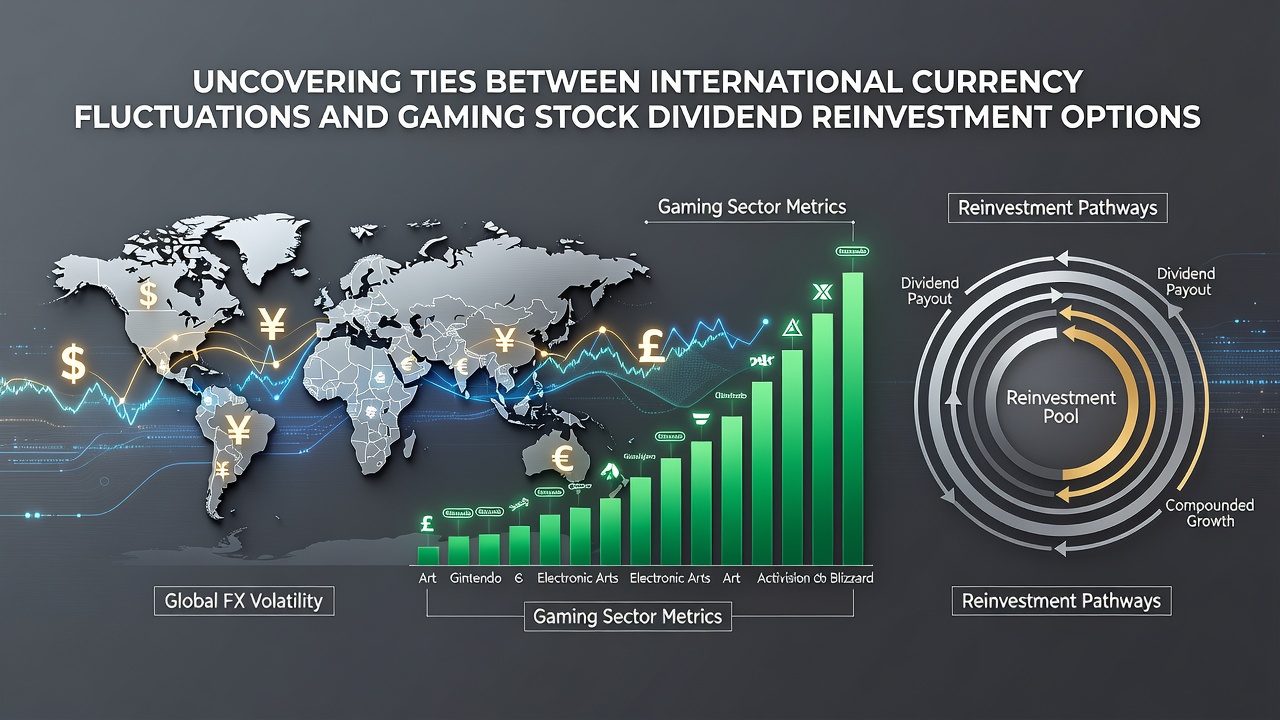
International currency fluctuations create direct connections to how gaming companies manage dividend payments and reinvestment programs across borders, since operators with properties in multiple countries must convert local earnings into reporting currencies before distributions occur. Data from major exchanges shows that shifts in exchange rates alter the real value of repatriated profits, which in turn influences decisions about dividend reinvestment plans that allow shareholders to purchase additional shares automatically. Researchers tracking these patterns note that companies operating in Asia, Australia, and North America face varying exposures depending on whether their primary revenues come from markets with floating currencies like the Australian dollar or the Japanese yen.
How Exchange Rate Movements Affect Gaming Cash Flows
Operators with casinos in Macau report earnings in Hong Kong dollars that remain pegged to the US dollar, yet underlying customer spending often involves Chinese renminbi whose value changes against the dollar create ripple effects when funds move across borders. Studies from the Bank for International Settlements highlight that a 5 percent depreciation in a local currency can reduce the dollar-equivalent dividend pool by similar margins for firms that do not hedge aggressively. Those who have examined quarterly filings observe that reinvestment options become more attractive during periods of currency strength because converted cash flows support larger share purchase programs without straining corporate reserves.
Meanwhile, Australian gaming groups such as those listed on the ASX must navigate AUD volatility that directly scales the size of dividends available for reinvestment when shareholders elect to participate in dividend reinvestment plans. Figures released in early 2026 indicated that AUD movements against the USD reached 8 percent swings within single quarters, prompting several operators to adjust the timing of dividend declarations to align with favorable conversion windows. Experts tracking these adjustments point out that reinvestment ratios tend to climb when the home currency weakens because lower effective payouts encourage shareholders to compound positions rather than take cash distributions.
Reinvestment Programs and Currency Hedging Strategies
Gaming firms frequently structure dividend reinvestment options to include optional cash purchase features that allow participants to add funds beyond the declared dividend, yet currency translation gains or losses determine how much capital actually reaches the plan administrator. According to analyses from the Reserve Bank of Australia, companies that maintain forward contracts on major currency pairs demonstrate more stable reinvestment participation rates because shareholders encounter fewer surprises in the converted dividend amounts. Data collected through June 2026 shows participation in these plans rising by 12 percent among international holders during months when the AUD strengthened against both the USD and the euro.
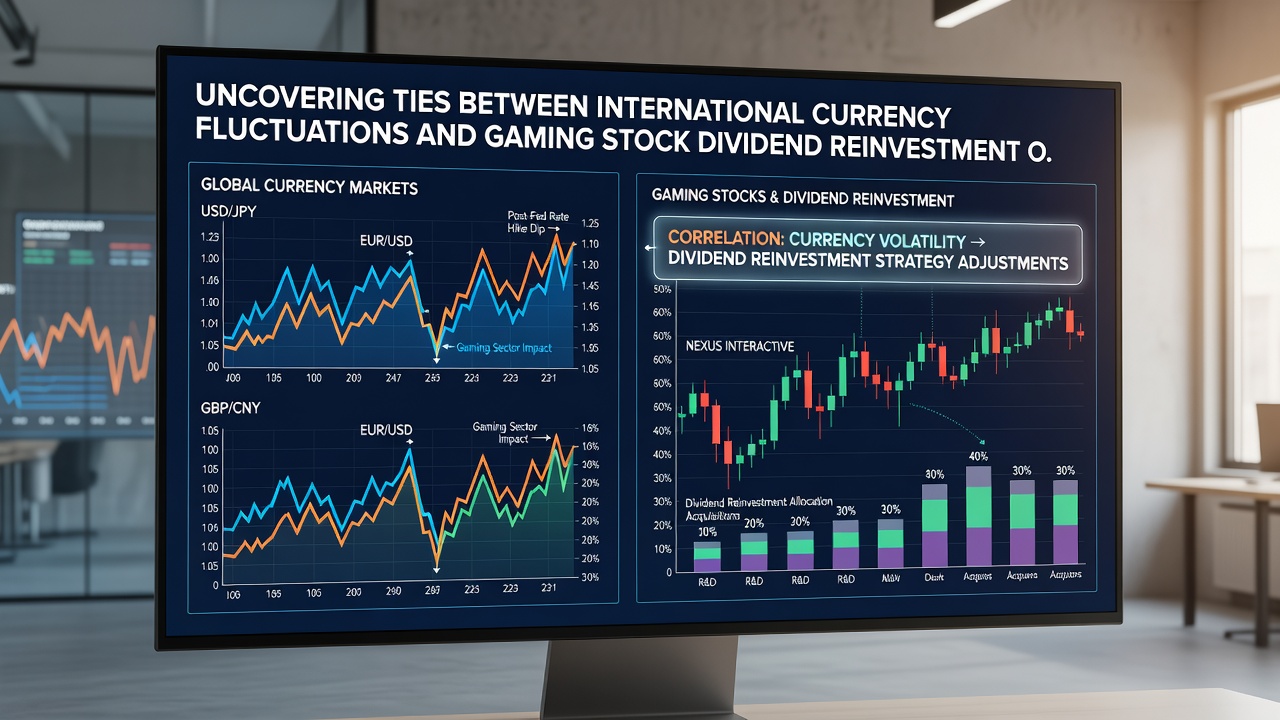
North American operators with Canadian properties face parallel dynamics because CAD fluctuations alter the value of earnings generated north of the border before they support US-dollar dividend programs. Observers reviewing regulatory filings note that several regional gaming companies increased hedging coverage in late 2025 precisely to protect the predictability of amounts available under dividend reinvestment options. Those patterns become visible in shareholder reports where reinvestment uptake correlates with periods of relative currency stability rather than outright strength or weakness.
Regional Examples and Market Data Patterns
Japanese gaming equities provide another illustration because yen movements against the dollar affect the cost of imported equipment and the value of dividends paid to foreign investors who then decide whether to reinvest. Research compiled by academic teams at institutions studying Asian financial markets reveals that yen depreciation episodes coincide with higher uptake of reinvestment plans among domestic shareholders who seek to maintain position sizes despite reduced dollar-equivalent payouts. In contrast, European operators listed in multiple currencies encounter additional layers of complexity when Swiss franc or Swedish krona shifts intersect with euro-denominated dividend streams.
Market data through mid-2026 indicates that gaming stocks with the broadest international footprints adjusted their reinvestment program parameters more frequently than purely domestic operators, with changes often announced alongside earnings releases that explicitly reference currency impacts. Those adjustments include modifications to discount rates offered under reinvestment plans or alterations to the frequency of share purchases to better match cash flow timing after currency conversions. Evidence from exchange filings shows that such modifications helped maintain steady shareholder participation even when spot rates moved sharply.
Conclusion
Currency fluctuations and gaming stock dividend reinvestment options remain linked through the mechanics of profit conversion and cash flow timing, with operators responding through hedging, program adjustments, and disclosure practices that reflect real-time exchange conditions. Data compiled across multiple jurisdictions demonstrates measurable correlations between rate movements and participation levels in reinvestment plans, while regional examples illustrate how specific currency pairs influence outcomes differently. Continued monitoring of these connections provides ongoing insight into capital allocation patterns within the global gaming sector as exchange markets evolve.